Massage basics
Why Am I Sore After a Massage? What's Normal and What Isn't
Mild soreness after a remedial massage is common and often a good sign. Here's an honest guide to how long it should last, how sharp it should feel, and when soreness is worth flagging.
30 June 20267 min readBy Sarah Grapentin, Diploma-qualified Remedial Massage Therapist (ATMS #53374)
If you've walked out of a remedial massage feeling great and then woken up the next morning a bit tender, you're not alone. Some level of post-treatment soreness is common — especially after firmer work, trigger point sessions, or after long stretches without massage — and it's usually nothing to worry about. Here's an honest guide to what's normal, what isn't, and what to do about it either way.
Why do you get sore after massage in the first place?
When firm pressure is applied to a tight muscle, you're effectively asking it to release tension it's been holding for weeks, months or years. The muscle responds by drawing fluid into the area and beginning a small recovery process — similar to what your body does after a moderate workout. That recovery involves low-grade inflammation, tissue re-hydrating, and the nervous system recalibrating what 'normal' tone feels like in that muscle. Any or all of that can register as a mild ache for the next day or two.
It's most common after deep tissue work, trigger point sessions on stubborn spots, or after long-held neck and shoulder tension has been worked through for the first time in a while. It's less common after relaxation massage or hot stone therapy, which use lighter, more sustained pressure.
Is post-massage soreness the same as DOMS?
It's a close cousin. DOMS — delayed onset muscle soreness — is the ache you get 12 to 48 hours after unfamiliar or heavier-than-usual exercise. The physiology overlaps: micro-adjustments in the muscle tissue, local inflammation, fluid shifts, and the nervous system's response. Post-massage soreness usually feels a bit more diffuse and less 'burny' than DOMS, and it tends to fade a little faster. Both are self-limiting and both are helped by the same things: hydration, gentle movement and warmth.
How long should the soreness last?
| Symptom | How long is normal | When to worry |
|---|---|---|
| Mild diffuse ache across worked areas | 12 to 48 hours | Still increasing at day 3, or lasting past 5 days |
| Slightly heavy or 'noodly' feeling immediately after | A few hours | Persistent heaviness or weakness the next day |
| Tiredness that evening | That night and possibly the next morning | Ongoing fatigue for more than 24 hours |
| Sharp focal pain | Not normal at all | Anything sharp — ring or flag next session |
| Bruising | Occasional small bruises after deep work are OK | Large, dark or spreading bruises are not |
| Numbness or tingling | Not normal at any point | Any new numbness — mention immediately |
| Redness and warmth in one spot | Not normal | Skin hot to the touch and red — see your GP |
What does 'normal' soreness feel like?
- Mild, diffuse tenderness over the areas that were worked, like a low-grade workout.
- A slightly heavy or 'noodly' feeling immediately after the session.
- Tiredness that evening — your nervous system has had a real reset.
- Soreness that fades over 24 to 48 hours, leaving the area feeling looser than before.
- A feeling of having 'moved something' rather than being 'injured' by it.
What's actually worth flagging?
- Sharp, focal pain that wasn't there before — not the dull ache of worked muscle.
- Bruising that's larger or darker than you'd expect from the pressure used.
- Soreness that's still building 3 to 4 days after the session.
- Any new numbness, tingling or weakness.
- Redness and warmth over a spot — skin hot to the touch.
- Pain that stops you sleeping or that changes how you move for more than 48 hours.
If any of those show up, ring Sarah on 0439 594 999 or mention it at your next session. Massage pressure is genuinely tailorable — feedback after a session helps Sarah dial the work in for next time. Nothing is 'too small' to mention. Small notes shape better sessions.
What can you do to speed the recovery?
- Drink a bit more water than usual that day and the day after.
- Move gently — a walk is better than full rest. Blood flow settles soreness faster than lying still.
- A warm shower or bath that evening if soreness is settling in.
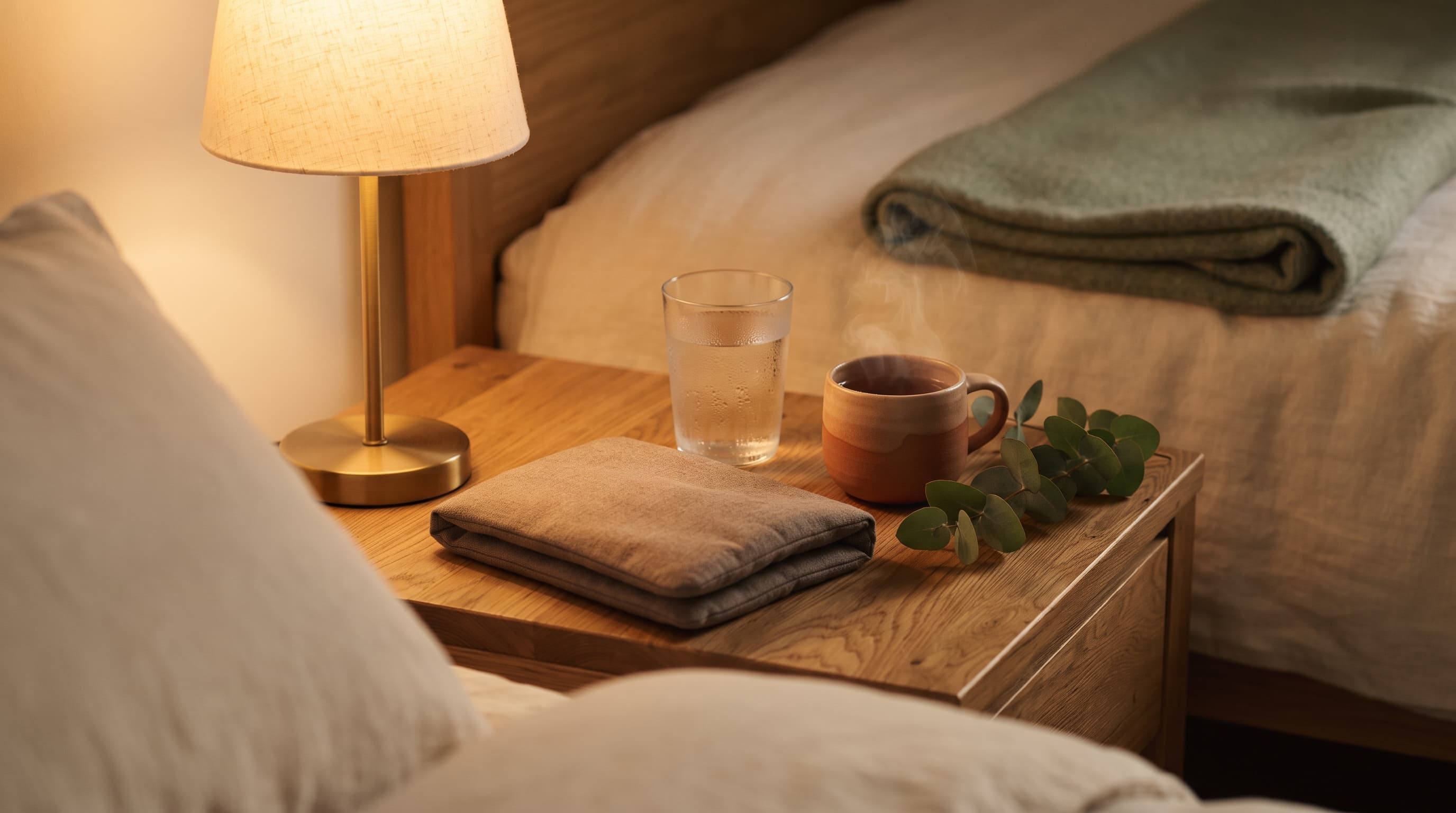
- A heat pack on the worked areas before bed — 15 to 20 minutes is plenty.
- Don't book a hard training session for the day after a heavy remedial treatment. Save it for the day after that.
- Eat and sleep well that night — recovery is real and takes fuel.
Does massage have to hurt to work?
No. This is one of the honest myths of the industry. Massage doesn't need to hurt to work — the idea that harder pressure means better results usually reflects a misunderstanding of how muscle tissue actually releases. When pressure goes past what your nervous system tolerates, the muscle guards rather than releases, and the session gets less useful, not more. Sarah's approach is 'firm enough to reach the tissue that needs it, no firmer than that'. If you're gritting your teeth, clenching your fists or holding your breath, the pressure has gone past useful. Say something.
How do you know if the pressure was too much?
The main signal is how long the soreness lasts. Normal soreness fades over 24 to 48 hours; if you regularly walk out of sessions and need three days to recover, the pressure was probably more than your body needed. Other signs: dark bruising after the session, feeling wiped out for the rest of the day rather than just tired that evening, or feeling worse a week later than you did before the session. Any of those means the next session should dial back, and it's genuinely fine to say so.
When should you see a GP or physio?
If you have sharp pain that doesn't ease, new numbness or weakness, a spot that becomes hot and red (which can signal infection or a soft-tissue reaction), or any symptoms that feel qualitatively different from muscle soreness, book with your GP. Massage is one useful tool but it's not a diagnostic one, and Sarah will refer on if anything you describe suggests it's outside the scope of soft-tissue work.
How often should you book if soreness is a pattern?
If you've been getting sore after every session, mention it and Sarah will lighten the pressure or shorten the deep-tissue segments. Sometimes the answer is more frequent, lighter sessions rather than less frequent, deeper ones — especially early in a run of sessions when the body is still adjusting to hands-on work. See how often should you book a massage for cadence guidance, and how long does remedial massage take to work for what change looks like over a run of sessions.
The bottom line
Mild soreness for 24 to 48 hours after firmer work is normal, self-limiting and usually a sign that the tissue is responding. Anything sharper, deeper, longer-lasting or qualitatively different is worth flagging. If you'd like to talk through how a session might land for your body, ring on 0439 594 999 or browse the services available in Port Pirie to see which style might suit you.
Does the type of massage change how sore you get?
Yes, quite a bit. Deep tissue and firm trigger point sessions are the most likely to leave you sore afterwards — they're working the deeper muscle layers and asking chronically tight tissue to let go. Remedial sessions vary depending on the technique blend Sarah uses on the day. Relaxation massage, hot stone and pregnancy massage rarely leave much soreness at all — they use lighter, more sustained pressure. If you're new to massage or have been through a stressful week, mentioning that at the start of the session helps Sarah choose the right pressure for the day.
Why do you feel more emotional after a heavy session?
This one catches people off guard. It's not uncommon to feel a bit weepy, unusually tired or oddly emotional the evening after a firm session. Nothing wrong with you — the nervous system has had a genuine reset, and when you've been in a low-grade tension state for a while, releasing it can bring a wave of tiredness or emotion up to the surface. It usually settles by the next day. Water, an early night and taking it easy are the main aftercare here too.
Should you book again while you're still sore?
Generally no — let the soreness settle before the next session, so Sarah is working with fresh feedback rather than tender-from-last-time tissue. That usually means at least 3 to 5 days between firm sessions. If you're on a fortnightly rhythm for a specific issue, the timing usually works out fine. If you need to come in sooner because something has flared, mention the residual soreness so Sarah adjusts the pressure and areas accordingly.
If you'd like to talk through what's going on with your body and book a session, get in touch with Sarah on 0439 594 999 or book online. Private health insurance rebates may be available depending on your provider and level of cover.
Treatments that may help.
Conditions this post touches on.
For a deeper look at specific patterns Sarah works with, see the condition-focused pages below.
Back Pain
Targeted, careful massage in Port Pirie for the lower, mid and upper back — designed to help relieve tension and support better movement.
Learn more →
Neck Pain & Cervical Tension
Careful remedial massage in Port Pirie for neck stiffness, postural tension and the surrounding upper back and shoulders — including supportive work alongside post-surgical rehab.
Learn more →