Pregnancy & postnatal
Pregnancy Massage Safety: A Trimester-by-Trimester Guide
Pregnancy massage is generally safe when done by a trained therapist, but the specifics shift through each trimester. Here's a clear, honest guide for clients across Port Pirie and the Mid North.
9 June 20267 min readBy Sarah Grapentin, Diploma-qualified Remedial Massage Therapist (ATMS #53374)
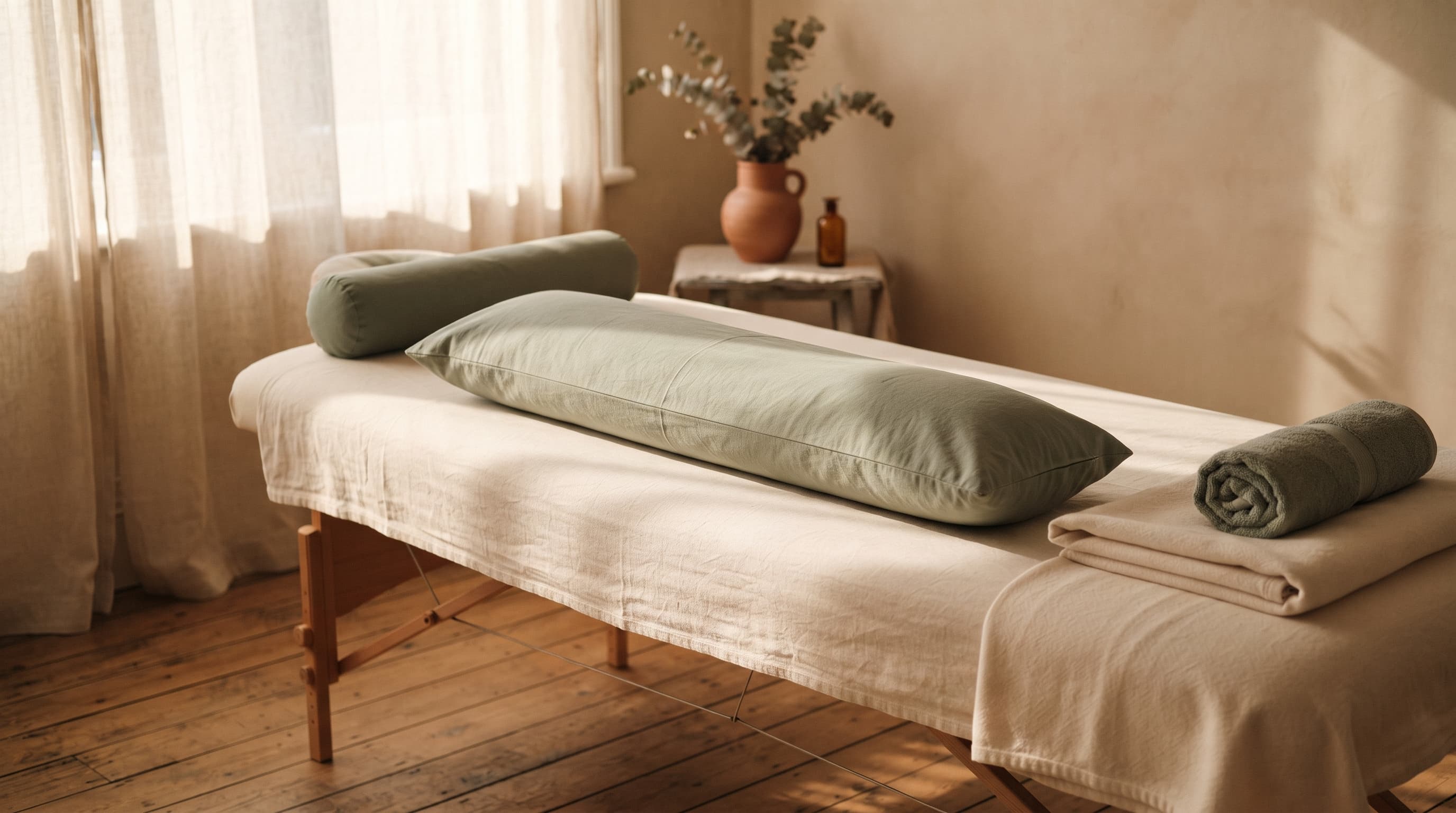
Pregnancy massage comes up often in the Port Pirie clinic. For most healthy pregnancies, it's a safe and helpful way to ease the everyday aches that come with carrying a baby — the low back that quietly takes on extra load, the hips and glutes carrying a shifted centre of gravity, the shoulders and neck rounded from broken sleep and long days. The specifics shift through each trimester though, so here's an honest, plain-language guide to what changes, what stays the same, and what Sarah adjusts for you.
First trimester (weeks 1–13): why most therapists wait
Most practitioners in Australia are cautious about massage during the first trimester. The reasoning isn't that massage causes problems — there's no clear evidence it does — but the first trimester carries a naturally higher background rate of miscarriage, and it's wise not to introduce anything new during a sensitive window. Sarah will usually suggest waiting until after week 12 for a first-time pregnancy massage.
There are a few situations where earlier work is fine: you already have a regular massage practice with Sarah and your GP or midwife is comfortable with you continuing, or you're booking a purely light relaxation massage for sleep and stress rather than clinical remedial work. Either way, mention the pregnancy at booking so positioning, pressure and technique choices are adjusted from the first minute. If you'd usually book a strong deep tissue session, that intensity comes down through the whole pregnancy.
Second trimester (weeks 14–27): the standard window
Most pregnancy massage in Port Pirie happens through the second trimester. The bump is showing, the lower back is starting to take more load, and you can still lie on your side comfortably with proper support. Sessions usually focus on the lower back, hips, glutes, shoulders, neck and feet — the areas working hardest under the new postural demands.
Positioning is mostly side-lying with cushions under the knee, between the arms and supporting the bump. From about 20 weeks Sarah defaults fully to side-lying — the weight of the uterus by this point can compress the inferior vena cava (a major vein returning blood to the heart) if you're flat on your back for any length of time, so a stable, well-cushioned side-lying position is safer and, honestly, more comfortable too. Pressure is moderate: firm enough to ease genuine tension, gentle enough to suit the deeper relaxation pregnancy massage is designed for.
Cadence in the second trimester is flexible. Some clients come every three to four weeks as steady maintenance; others book more often when a specific ache flares. See how often should you book a massage for a broader look at cadence.
Third trimester (weeks 28+): comfort, sleep, and getting to the finish line
Sessions in the third trimester focus heavily on comfort and relief. The lower back, hips, glutes and legs often carry the most tension. Sleep is often broken by this point, so the parasympathetic 'wind-down' benefit of a calm hour on the table becomes a real part of why people book — the physical relief is the visible outcome; the nervous-system reset is quietly just as valuable.
Positioning matters more as the bump grows. Lying flat on the back for any length of time isn't recommended late in pregnancy because of the vena cava compression mentioned above. Side-lying with full cushion support remains the default, and Sarah will usually alternate sides through the session so neither hip takes all the pressure. Sessions in the third trimester often run 45 or 60 minutes rather than 90 — shorter and more focused works better when getting comfortable takes a moment and turning over uses more energy than it used to.
For clients experiencing pubic symphysis pain, sciatic-style referred pain down the leg (see massage for sciatica in Port Pirie for how this is worked on), or persistent shoulder and neck tension from carrying differently, targeted work through the glutes, piriformis, upper back and shoulders can offer meaningful relief between now and delivery day.
Trimester-by-trimester at a glance
| Stage | Typical cadence | Positioning | Focus areas | Cautions |
|---|---|---|---|---|
| T1 (0–13 wks) | Usually deferred; existing clients may continue with GP OK | Side or supported reclined | Neck, shoulders, feet — gentle | Wait past week 12 for first-time bookings |
| T2 (14–27 wks) | Every 3–4 weeks | Side-lying from ~20 weeks | Low back, hips, glutes, shoulders | Moderate pressure only; avoid deep abdominal work |
| T3 (28+ wks) | Every 2–3 weeks; weekly late-stage if useful | Side-lying with full support | Low back, hips, glutes, legs, feet, upper back | Shorter sessions (45–60 min); no back-lying |
| Postnatal (0–6 wks) | Rest and heal — no massage yet | n/a | n/a | Wait 6 wks (12 after caesarean) unless GP clears earlier |
| Postnatal (6+ wks) | Weekly for 3–4 sessions, then monthly | Any position that suits your body | Upper back, neck, shoulders, hips | See postnatal recovery for what settles fastest |
What Sarah avoids during pregnancy
- Lying flat on the back after about 20 weeks for more than a short stretch
- Strong, sustained deep pressure on the abdomen or lower back close to the spine
- [Hot stone therapy](/services/hot-stone-therapy) during pregnancy — the sustained heat is not recommended
- Deep pressure on specific acupressure points traditionally avoided in pregnancy (particularly around the ankle and web of the hand)
- Deep leg work in areas of significant swelling — this is a DVT-risk consideration and Sarah will refer to your GP if unsure
- Any [cupping](/services/cupping-massage) over the belly or lower back close to the spine — cupping elsewhere is usually fine after T1, with your GP's OK
What pregnancy massage commonly helps with
The most common reasons Port Pirie clients book pregnancy massage are lower back and hip pain from the shifted load, tension headaches from a combination of postural change and broken sleep, upper back and neck tension from carrying differently and (later on) breastfeeding preparation, sciatic-style leg pain, and mild swelling in the ankles and calves. It's also common to book simply for the nervous-system calm — a proper hour to yourself when much of pregnancy is about someone else growing inside you.
For related everyday pregnancy aches, best massage for back pain in Port Pirie and massage for neck and shoulder tension go into more depth on the techniques used, adapted for the side-lying positioning pregnancy needs.
Postnatal recovery: when can you come back?
The standard advice is to wait six weeks after a vaginal birth and around twelve weeks after a caesarean before booking a hands-on massage, unless your GP clears earlier work. The reason is straightforward: the body has done an enormous amount of physical work and needs time for the pelvic floor, abdominal wall and any surgical or repair sites to settle. Early sessions once you're cleared tend to focus on the upper back, neck and shoulders — the areas taking the load of feeding, holding and rocking a newborn — rather than deep abdominal work.
See the postnatal recovery page for what commonly settles fastest, and the frozen shoulder recovery piece if you've noticed shoulder pain creeping in from feeding posture. Postnatal sessions are often booked weekly for the first three or four visits, then eased to monthly maintenance.
When to check with your GP or midwife first
If your pregnancy has any complications — pre-eclampsia, gestational diabetes, a history of miscarriage or preterm labour, placenta previa, blood pressure concerns, significant swelling or a history of DVT — speak with your GP or midwife before booking. It's a quick conversation that gives everyone peace of mind and lets Sarah shape the session (or defer it) accordingly. If anything changes mid-pregnancy, a fresh check-in is worth the phone call.
Private health rebates and pregnancy massage
Rebates work the same way for pregnancy massage as they do for any other session — the deciding factor is whether there's a remedial component (assessment-led work on a specific issue like back or hip pain) rather than pure relaxation. Sarah is ATMS-registered (#53374), which is recognised by every major Australian private health fund's remedial massage extras. Pure relaxation pregnancy sessions sit in a grey area with most funds. See private health rebates for massage for the practical detail.
How to book
See the pricing page for session lengths and rates — 60 minutes is the most commonly booked pregnancy session length, with 45 minutes working well for late third trimester when getting comfortable takes a moment. Book online or ring Sarah on 0439 594 999 first if you'd like to chat about where you're at before locking anything in.
If you'd like to talk through what's going on with your body and book a session, get in touch with Sarah on 0439 594 999 or book online. Private health insurance rebates may be available depending on your provider and level of cover.
Conditions this post touches on.
For a deeper look at specific patterns Sarah works with, see the condition-focused pages below.
Back Pain
Targeted, careful massage in Port Pirie for the lower, mid and upper back — designed to help relieve tension and support better movement.
Learn more →
Postnatal Recovery & New-Parent Tension
Gentle, considered massage in Port Pirie for new parents — supporting recovery from the physical demands of the postnatal months.
Learn more →